Whole milk at a glance
There's around 3.4g of protein per 100g of whole milk (as sold), so a typical 250g serving gives you roughly 8.5g. That works out to 5.2g of protein per 100 calories, which makes whole milk the #11 most protein-dense of the 12 everyday staples we track. See the full protein density ranking.
Protein by portion size
Nobody weighs out exactly 100g. Here's what whole milk gives you at the weights you actually cook with — grams of protein and calories for each, worked out from the 3.4g of protein and 66 kcal per 100g.
| Portion | Protein | Calories |
|---|---|---|
| 100g | 3.4g | 66 kcal |
| 150g | 5.1g | 99 kcal |
| 200g | 6.8g | 132 kcal |
| 250g typical serving | 8.5g | 165 kcal |
| 500g | 17g | 330 kcal |
| 1 kg | 34g | 660 kcal |
So 500g of whole milk is about 17g of protein for roughly 330 calories. Raw and cooked weights differ — meat and fish lose water in the pan, so 500g raw comes out lighter cooked while the protein stays put. Weigh as sold to match these figures.
Full nutrition, per 100 calories
Whole milk carries roughly 66 kcal per 100g (about 165 kcal in a 250g serving). The most useful way to judge a food for fat loss isn't per 100g — it's what you get for every 100 calories you eat. Here's how whole milk stacks up per 100 calories:
| Per 100 calories | Protein | Carbs | Fat |
|---|---|---|---|
| Whole milk | 5.2g | 7.1g | 5.5g |
The higher the protein figure here, the more filling whole milk is for the calories — which is exactly what you want when you're eating in a deficit. A high protein-per-calorie food keeps you full on fewer calories.
Source values per 100g: 66 kcal · 3.4g protein · 4.7g carbs · 3.6g fat. Standard reference nutrition figures for whole milk (as sold), compiled from label data and Open Food Facts, last checked 2026-08-16.
Real whole milk products in Irish supermarkets
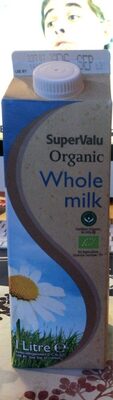
Pulled from our 24,000-product Irish label database, not a guess -- a photo only appears where we have a confirmed barcode match against Open Food Facts.
 No Nonsense Fitness
How much to hit your protein target
At 8.5g of protein per 250g serving, hitting a 150g daily protein target from whole milk alone would take about 17.6 servings. In practice you'd spread that across two or three protein sources — use the macro calculator to set your own number first.
2 high-protein recipe ideas
- 300ml blended with a scoop of oats as a cheap post-workout shake.
- Use it as the base for high-protein overnight oats or homemade rice pudding.
More dairy protein sources
Where to find it
Related
FAQ
How much protein is in whole milk?
There's about 3.4g of protein per 100g of whole milk (as sold). A typical 250g serving delivers roughly 8.5g of protein.
How much protein is in 500g of whole milk?
About 17g of protein, for roughly 330 calories. 200g gives you around 6.8g. The full portion table above runs from 100g to 1kg, all worked out from the 3.4g per 100g figure.
How protein-dense is whole milk?
It carries about 5.2g of protein per 100 calories, ranking #11 of the 12 everyday staples we compare for protein density. The higher that number, the more protein you get for the calories you eat.
Where can I buy whole milk in Ireland?
It's a standard item at Tesco, Aldi, Lidl and SuperValu in Ireland. See real examples of branded whole milk products above where we have a barcode-verified match.